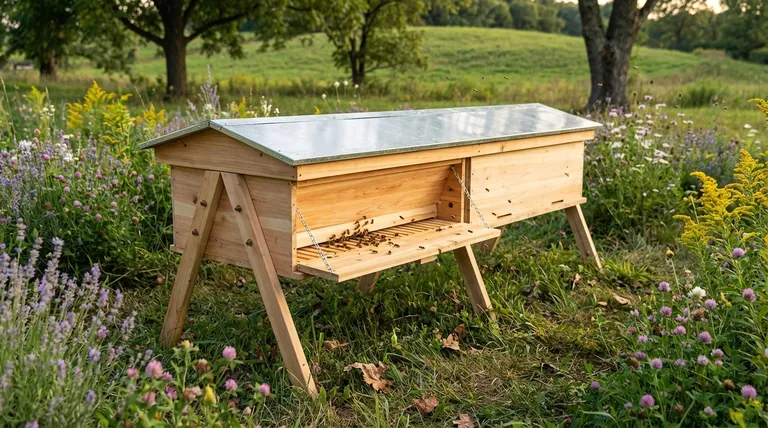
Are you a beekeeper seeking a more sustainable, low-intervention approach to hive management? Top bar hives offer a unique alternative to conventional Langstroth systems, prioritizing natural bee behaviors and simplified maintenance. This guide explores their advantages, practical considerations, and how they compare to traditional setups—helping you determine if they align with your beekeeping philosophy.
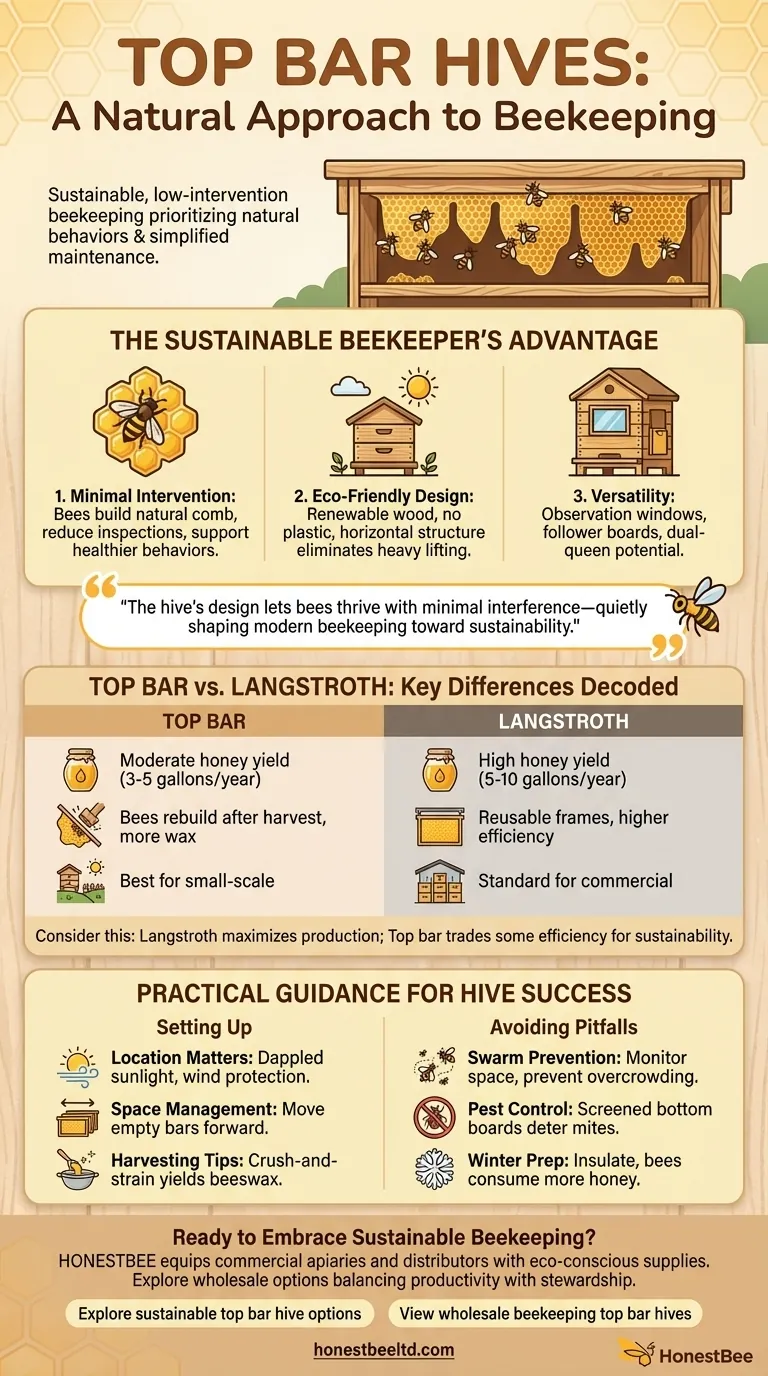
The Sustainable Beekeeper’s Advantage
Top bar hives appeal to beekeepers who value:
1. Minimal Intervention
- Bees build natural comb without foundation, mimicking wild colonies.
- Annual inspections suffice for some, reducing stress on colonies.
- Research shows this approach supports healthier bee behaviors, including better ventilation and spacing.
2. Eco-Friendly Design
- Made from renewable wood, these hives avoid plastic components common in Langstroth systems.
- Their horizontal structure eliminates heavy lifting, making them ideal for beekeepers with physical limitations.
3. Versatility
- Follower boards and observation windows simplify colony monitoring.
- Some designs allow dual-queen systems, enhancing pollination or honey production flexibility.
"The hive’s design lets bees thrive with minimal interference—quietly shaping modern beekeeping toward sustainability."
Top Bar vs. Langstroth: Key Differences Decoded
| Feature | Top Bar Hive | Langstroth Hive |
|---|---|---|
| Honey Yield | 3–5 gallons/year | 5–10 gallons/year |
| Comb Management | Bees rebuild after harvest (more wax) | Reusable frames (higher efficiency) |
| Commercial Viability | Best for small-scale operations | Standard for commercial apiaries |
Consider this: Langstroth hives maximize honey production but require precise measurements and frequent inspections. Top bar hives trade some efficiency for sustainability—ideal for hobbyists or educators.
Practical Guidance for Hive Success
Setting Up Your First Top Bar Hive
- Location Matters: Place hives in dappled sunlight with wind protection.
- Space Management: Move empty bars forward to prevent honey-bound broodnests.
- Harvesting Tips: Crush-and-strain methods yield beeswax as a bonus byproduct.
Avoiding Common Pitfalls
- Swarm Prevention: Monitor comb space; overcrowding triggers swarming.
- Pest Control: Use screened bottom boards to deter mites naturally.
- Winter Prep: Insulate hives in colder climates—bees consume more honey to rebuild comb.
Have you considered how top bar hives could simplify your beekeeping routine while supporting local ecosystems?
Ready to Embrace Sustainable Beekeeping?
HONESTBEE equips commercial apiaries and distributors with durable, eco-conscious beekeeping supplies. Explore our wholesale-focused inventory to source top bar hives that balance productivity with environmental stewardship.
Join beekeepers worldwide who prioritize harmony between hive health and honey harvests.
Products You Might Be Looking For:
Explore sustainable top bar hive options
View wholesale beekeeping top bar hives
Visuelle Anleitung
Ähnliche Produkte
- Top Bar Bienenstock für Imkerei Großhandel Kenia Top Bar Bienenstock
- Langstroth Style Horizontal Top Bar Bienenstock für Großhandel
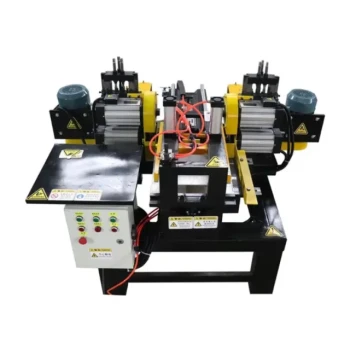
- HONESTBEE Präzisionsmaschine zum Formen der oberen und unteren Stange für die Herstellung von Bienenstockrahmen
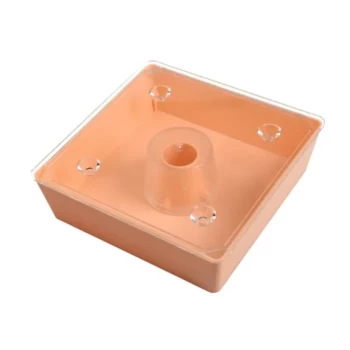
- HONESTBEE Square Top Hive Bienenspeiser Top Bee Feeder
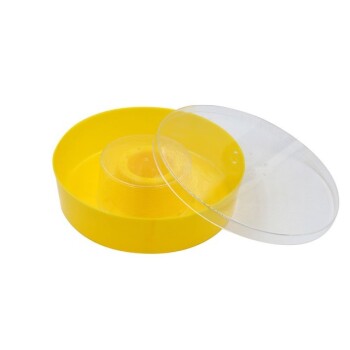
- HONESTBEE Runder Bienenspeiser für Sirup
Ähnliche Artikel
- Inspektion von Bienenstöcken mit Oberträgern ohne Beschädigung der Waben: Ein Leitfaden für Imker
- Jenseits der Schädlingsbekämpfung: Die operative Logik des kenianischen Top-Bar-Bienenstocks
- Wie man nachhaltig Honig aus Bienenstöcken erntet: Ein bienenfreundlicher Leitfaden
- How Top Bar Hives Naturally Boost Bee Health and Simplify Beekeeping
- Top Bar Bienenstöcke: Ein nachhaltiger Ansatz zur bienenfreundlichen Imkerei